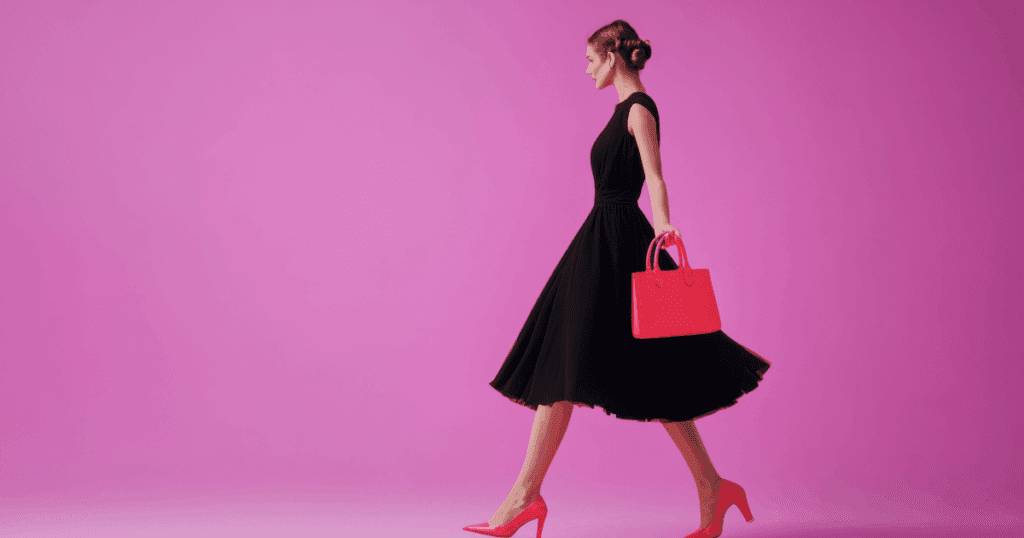
First impressions matter – here’s exactly what to wear (and what to avoid)
Let’s be real: job interviews are stressful enough without having to figure out what to wear. You’re already worried about answering questions, remembering everyone’s names, and not saying something awkward. The last thing you need is to be second-guessing your outfit choice as you walk into the building.
Here’s the truth about interview outfits: you want to look professional, polished, and appropriate for the role – but you also want to feel like yourself. Nothing tanks your confidence faster than wearing something uncomfortable or overly formal that makes you feel like you’re playing dress-up.
I’m going to walk you through exactly what to wear to different types of job interviews, what to avoid, and how to make sure you look the part without overthinking it. By the end of this, you’ll have a clear plan and won’t waste time stressing about your outfit the night before your interview.
This post contains affiliate links. If you purchase through these links, I may earn a small commission at no extra cost to you. This helps keep Lush Finds running! Read my full Affiliate Disclosure.
The Golden Rule: Dress One Level Above the Job
Before we get into specifics, here’s the universal rule that works for almost every interview situation:
Dress one level more formal than what employees wear day-to-day at that company.
If the office is business casual, wear business professional to your interview. If it’s casual (jeans and tees), wear business casual. If it’s ultra-formal (law firm, finance), you’re wearing a full suit.
Why? You want to show you’re taking the opportunity seriously and that you respect the company. But you also don’t want to be so overdressed that you look out of touch with the company culture.
How to figure out the dress code: Check the company’s website, social media, or LinkedIn photos of employees. If you can’t find anything, it’s always safer to err on the side of slightly overdressed than underdressed.
Now let’s break down what to wear for different interview scenarios.
Business Professional Interview (Corporate, Finance, Law)
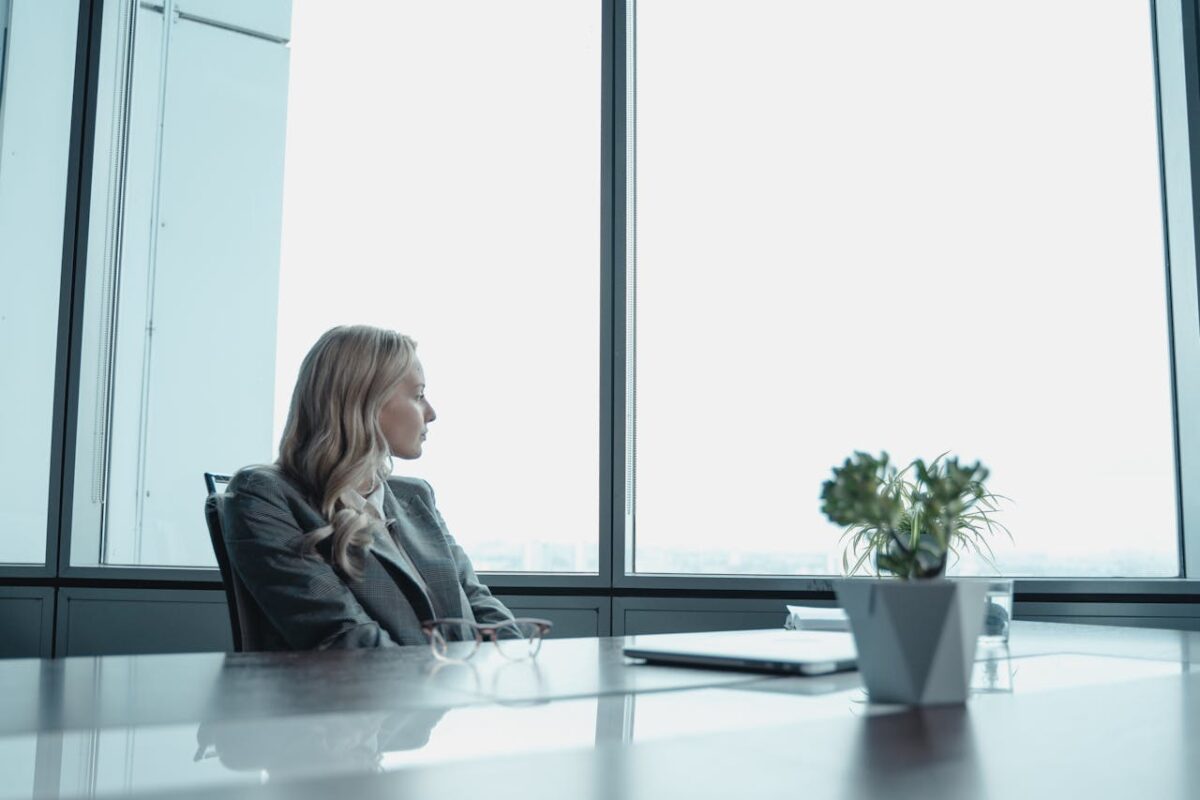
This is the most formal interview dress code. Think traditional corporate environments where suits are still the norm.
For Women:
The Safe Bet:
- Tailored pantsuit or skirt suit in navy, black, or charcoal gray
- Conservative blouse in white, cream, or light blue (no low necklines)
- Closed-toe heels or flats (1-3 inch heel is standard)
- Minimal jewelry (small earrings, simple necklace, watch)
- Structured bag or portfolio
- Neutral hosiery if wearing a skirt
Fabric and Fit: Look for quality fabrics that don’t wrinkle easily – wool blend, ponte knit, or structured cotton. Your suit should fit properly: jacket should close comfortably, pants should break slightly at the shoe, skirt should hit at or just below the knee.
Colors: Stick to navy, black, charcoal, or occasionally dark brown. This isn’t the time for bright colors or patterns. You want to look authoritative and professional.
Grooming: Hair should be neat and professional (pulled back if long), makeup should be natural and polished, nails should be clean and neutral-colored.
For Men:
The Safe Bet:
- Two-piece suit in navy, charcoal, or black
- White or light blue dress shirt (long sleeve, always)
- Conservative tie (solid or subtle pattern)
- Black or brown leather dress shoes (polished)
- Matching leather belt
- Dark dress socks
- Simple watch
Fabric and Fit: A well-fitted suit makes all the difference. Shoulders should fit properly, pants should break once at the shoe, and sleeves should show about half an inch of shirt cuff. If you don’t have a tailored suit, at least make sure it fits in the shoulders – that’s the hardest thing to alter.
Colors: Navy is the safest and most universally flattering. Black can feel formal or funeral-ish depending on the context. Charcoal gray is a solid middle ground.
Grooming: Hair trimmed and neat, facial hair groomed or clean-shaven (depending on company culture), nails clean, shoes polished.
Business Casual Interview (Most Office Jobs, Tech, Healthcare)

This is the most common interview dress code and where most people get confused. Business casual means professional but not suit-level formal.
For Women:
The Safe Bet:
- Dress pants or knee-length skirt in neutral color
- Blouse, button-down, or professional knit top
- Cardigan, blazer, or structured jacket (optional but recommended)
- Closed-toe flats, loafers, or low heels
- Simple jewelry and accessories
- Professional bag or tote
What Works:
- A professional dress (sheath dress, shift dress, wrap dress) with a cardigan or blazer
- Nice dark jeans (if the company is very casual) paired with a blazer and dressy top
- Ponte pants or ankle-length trousers with a tucked-in blouse
Colors and Patterns: You have more flexibility here. Navy, black, gray, burgundy, olive green, and camel all work. Subtle patterns are fine – think small prints, stripes, or professional florals. Avoid anything too bold or attention-grabbing.
Style Tips: A blazer instantly elevates any business casual outfit. When in doubt, add a blazer. It shows you’re serious without being overly formal.
For Men:
The Safe Bet:
- Dress pants (khakis, gray, navy, or black)
- Button-down shirt or polo (tucked in)
- Optional: blazer or sport coat
- Leather belt matching your shoes
- Leather dress shoes or clean loafers
- Dress socks
What Works:
- Khakis with a button-down and blazer
- Dark jeans (if company is casual) with a button-down and sport coat
- Dress pants with a polo or button-down (no jacket needed if it’s truly casual)
Colors: More flexibility than business professional. You can wear light blue, pink, lavender, or pattern shirts. Pants should still be neutral – navy, gray, khaki, or black.
Style Tips: If you’re not sure whether to wear a tie, don’t. Business casual typically means no tie. However, having one in your pocket just in case isn’t a bad idea.
Casual Interview (Startups, Creative Fields, Retail)
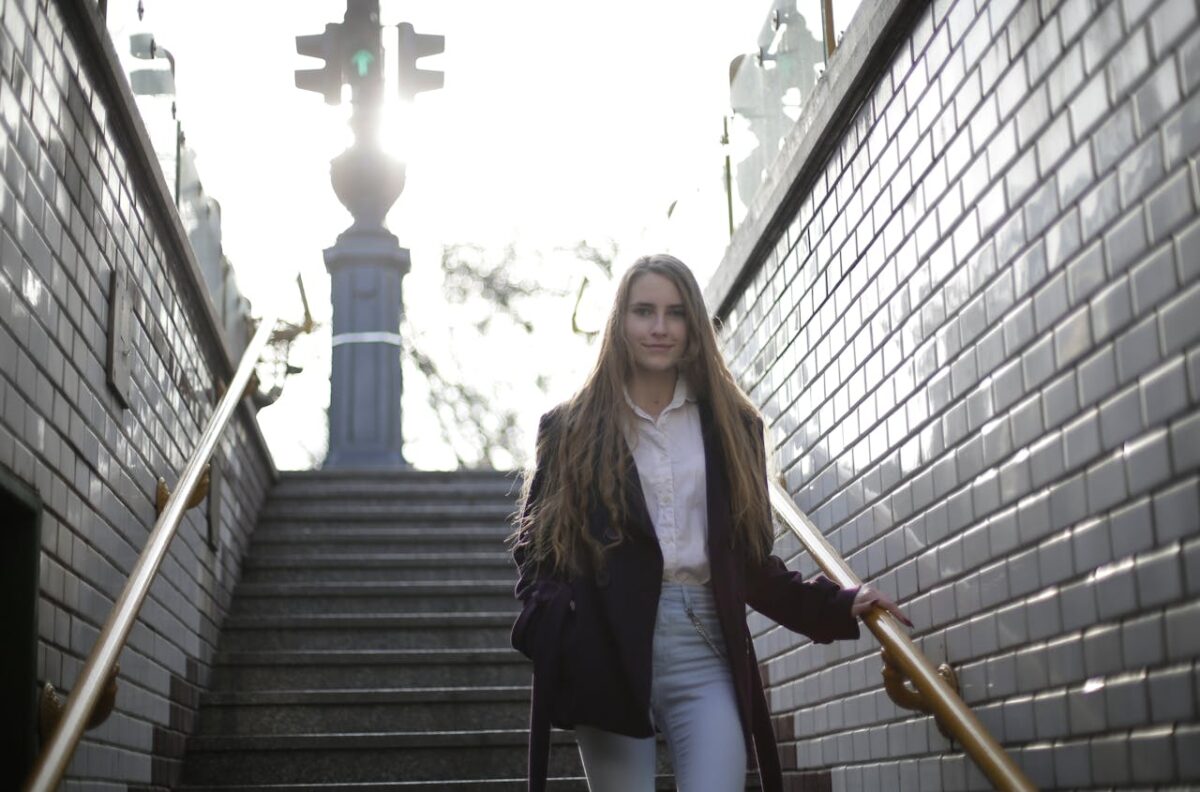
Even “casual” interviews require you to look polished and intentional. This is not the time for your weekend errands outfit.
For Women:
The Safe Bet:
- Dark jeans (no rips or distressing) or casual pants
- Nice top (blouse, sweater, or elevated tee)
- Optional: cardigan or casual blazer
- Clean sneakers, ankle boots, loafers, or flats
- Minimal jewelry
- Casual but structured bag
What Works:
- Dark jeans with a nice sweater and ankle boots
- Black pants with a tucked-in tee and blazer
- A casual dress with a denim jacket or cardigan
- Chinos with a button-down or blouse
What to Avoid: Even in casual interviews, skip athletic wear, shorts, flip-flops, overly distressed clothing, or anything with logos/graphics.
Style Tips: The key to casual interview dressing is looking intentional. Your outfit should say “I put thought into this” not “I grabbed whatever was clean.”
For Men:
The Safe Bet:
- Dark jeans or chinos
- Button-down shirt or nice polo
- Optional: casual blazer or sport coat
- Clean sneakers, loafers, or casual leather shoes
- Belt (if wearing belt loops)
- Watch (optional but adds polish)
What Works:
- Dark jeans with a button-down (untucked is okay if the shirt is designed for it)
- Chinos with a polo or henley
- Dark jeans with a casual blazer and tee
What to Avoid: Athletic wear, shorts, sandals, graphic tees, wrinkled or stained clothing, overly distressed jeans.
Style Tips: Even if the office is super casual, show you made an effort. Wear your nicest casual clothes – the ones you’d wear on a first date, not to the gym.
Video Interview Outfit Rules
Video interviews have become standard, and they come with their own considerations.
Top Priority: Your Top Half Since the camera only shows you from the waist up, focus your effort there. Wear a professional top even if your bottom half is casual (though I still recommend dressing fully – it affects your mindset).
What to Wear:
- Solid colors work best (avoid busy patterns that can look weird on camera)
- Jewel tones or darker colors (navy, burgundy, forest green) look great
- Avoid pure white (can be too bright) and pure black (can be too dark)
- Skip distracting jewelry that makes noise or catches light weirdly
Technical Considerations:
- Test your outfit on camera before the interview
- Make sure there’s contrast between you and your background
- Avoid stripes or small patterns that can create a moiré effect on camera
- Check that your neckline is appropriate when sitting
The Bottom Half: Wear real pants anyway. You never know if you’ll need to stand up, and it helps you feel more professional and confident.
What NOT to Wear to Any Interview
Let’s talk about the outfit choices that will hurt your chances, regardless of the industry or dress code.
Never Wear:
❌ Anything too revealing – Low necklines, short skirts, visible undergarments, sheer fabrics without proper layering
❌ Strong fragrances – Some people are sensitive or allergic. Skip the perfume/cologne or use very lightly
❌ Wrinkled or stained clothing – Signals you don’t pay attention to details
❌ Athletic wear – Unless you’re interviewing at a gym, leave the leggings at home
❌ Flip-flops or beach sandals – Even in casual interviews, closed-toe shoes are safer
❌ Overly casual items – Hoodies, baseball caps, graphic tees with slogans
❌ Clothing that doesn’t fit – Too tight, too loose, too short, too long all look unprofessional
❌ Loud accessories – Jangly bracelets, huge statement necklaces, distracting bags
❌ Visible logos – Your interview outfit shouldn’t be a billboard for other brands
❌ Clothes that make you uncomfortable – If you’re constantly adjusting, you’ll look uncomfortable
The Comfort Factor: Why It Actually Matters
Here’s something people don’t talk about enough: your outfit affects your performance in the interview.
If you’re uncomfortable, you will:
- Fidget and adjust your clothes
- Seem distracted or less confident
- Have trouble focusing on questions
- Project discomfort in your body language
How to ensure comfort:
Test your outfit beforehand. Sit down in it. Move around. Make sure nothing gaps, pinches, or rides up. If your pants are too tight when you sit, you’ll be thinking about that instead of your answers.
Break in new shoes. Never wear brand new shoes to an interview. Wear them around your house a few times first. Better yet, wear shoes you already know are comfortable.
Layer strategically. Offices can be unpredictably hot or cold. A blazer or cardigan you can remove gives you options.
Choose fabrics wisely. Avoid materials that wrinkle easily, show sweat, or make noise when you move.
Accessories and Grooming Details
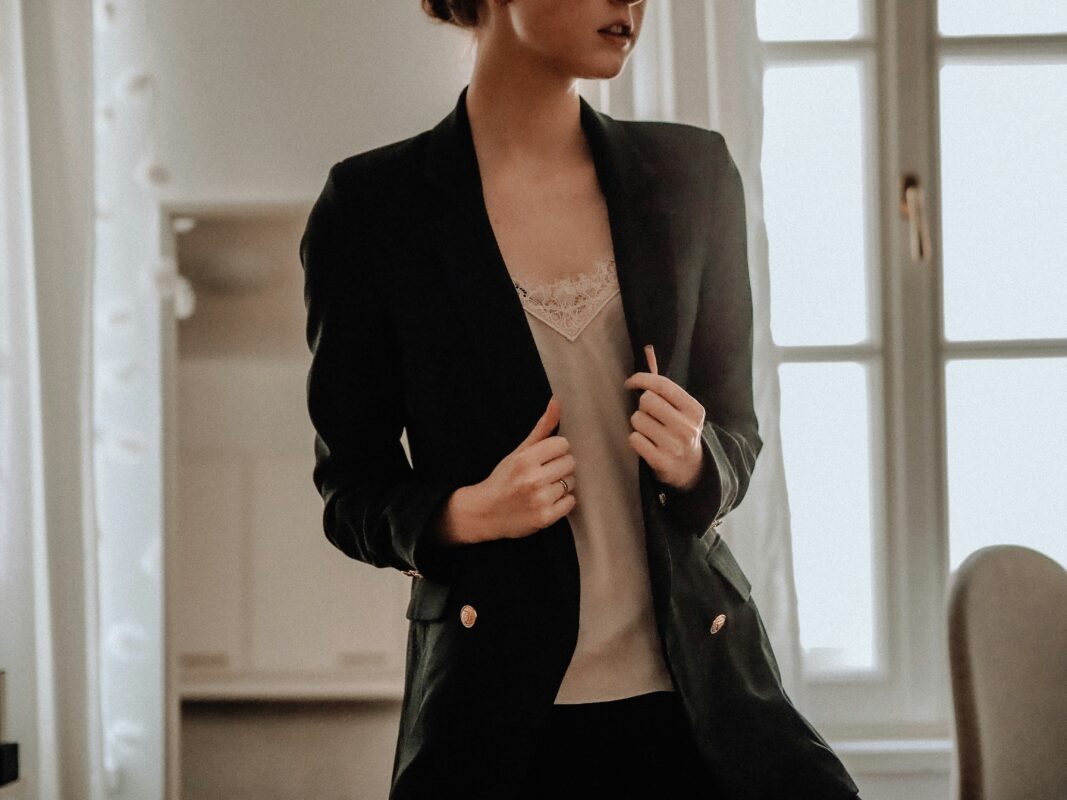
The small details matter more than you think. They complete your professional look.
Bag or Portfolio: Carry a professional bag, briefcase, or portfolio. It should be clean, structured, and able to hold your resume, notepad, and pen. No backpacks unless you’re interviewing in tech/casual environments.
Jewelry: Keep it simple and minimal. Small earrings, a watch, maybe a simple necklace or bracelet. Nothing that jangles, distracts, or is overly flashy.
Hair: Clean, neat, and professional. If you have long hair, consider pulling it back so it doesn’t fall in your face during the interview. Fresh haircut isn’t necessary, but styled and groomed is important.
Nails: Clean, trimmed, and either bare or with neutral polish. Avoid super long nails, bright colors, or elaborate nail art for conservative industries.
Makeup (if you wear it): Natural and polished. The goal is to look put-together, not to make a statement. Save bold lipstick for after you get the job.
Facial Hair: Well-groomed. Whether you’re clean-shaven or have a beard, it should look intentional and maintained.
Hygiene: This should go without saying, but: shower, use deodorant, brush your teeth. Skip strong fragrances.
What to Do the Night Before
Eliminate morning-of stress by preparing your outfit in advance.
The Night Before Checklist:
✓ Try on your complete outfit and check yourself from all angles ✓ Make sure everything is clean and wrinkle-free ✓ Polish shoes if needed ✓ Lay out all accessories (jewelry, bag, portfolio, etc.) ✓ Check the weather and adjust if necessary ✓ Print extra copies of your resume to carry in your bag ✓ Set out your keys, wallet, phone, and anything else you need
Emergency Kit: Keep these in your bag just in case:
- Stain remover pen
- Safety pins
- Breath mints
- Deodorant wipes
- Tissues
- Band-aids (in case of shoe issues)
Industry-Specific Considerations
Different industries have different expectations. Here’s a quick guide:
Finance/Banking/Law: Full suit, conservative colors, traditional style. This is the most formal.
Corporate/General Office: Business casual to business professional depending on the role level.
Tech/Startups: Business casual to smart casual. Err on the side of slightly more dressed up than you think.
Creative (Marketing, Design, Fashion): You have more flexibility to show personality, but still professional. This is where you can incorporate more color or style.
Healthcare: Clean, professional, conservative. If you’ll be doing patient-facing work, dress as you would for that role.
Retail/Service: Dress like a step above the employees. If they wear the store uniform, you wear business casual.
Education: Business casual, conservative, appropriate for being around students.
Trades/Manual Labor: Clean work pants and a nice shirt. Showing up in professional work attire shows you understand the job.
Dressing for Your Age and Career Level
Your age and experience level also influence what’s appropriate.
Entry-Level/Recent Grad: You can dress slightly more conservatively since you’re newer to the professional world. Classic, traditional choices show you’re serious.
Mid-Career: You have more flexibility to show your personal style within professional boundaries. You’ve earned the right to be less cookie-cutter.
Senior-Level/Executive: Quality matters more than ever. Invest in better fabrics and tailoring. Your outfit should reflect the authority of the position you’re seeking.
Career Changers: Dress for the industry you’re entering, not the one you’re leaving. Research the new field’s norms.
What If You Can’t Afford Interview Clothes?
Let’s address this reality: not everyone has money for a professional wardrobe, especially when job hunting.
Free and Low-Cost Options:
Borrow from friends or family. Most people are happy to help someone preparing for an interview.
Check out Dress for Success or Career Gear. These nonprofits provide free professional clothing for interviews.
Shop thrift stores. Goodwill, Salvation Army, and local thrift shops often have professional pieces for $5-15.
Rent if needed. Some situations might warrant renting a suit for the day.
Focus on fit over brand. A $20 thrift store blazer that fits perfectly beats a $200 designer one that doesn’t.
Keep it simple. You don’t need a full wardrobe. One good interview outfit is enough to start.
The Confidence Factor
Here’s the secret about interview outfits: the most important thing is that YOU feel confident in what you’re wearing.
All the advice in the world doesn’t matter if you walk in feeling uncomfortable, out of place, or like you’re pretending to be someone you’re not.
Choose an outfit that:
- Makes you feel professional and capable
- Fits your body comfortably
- Reflects appropriate professionalism for the role
- Doesn’t distract you during the interview
- Makes you feel like a better, more polished version of yourself
When you feel good in your outfit, you carry yourself differently. You make better eye contact, you sit up straighter, you speak more confidently. That confidence matters way more than whether you’re wearing the “perfect” shade of navy.
The Bottom Line
What you wear to a job interview matters, but it’s not the most important thing. Your skills, experience, and how you present yourself in conversation matter more.
That said, your outfit is the first impression you make before you even open your mouth. It sets the tone. It shows you understand professional norms and respect the opportunity.
The interview outfit formula:
- Research the company culture
- Dress one level above their daily dress code
- Choose something that fits well and makes you comfortable
- Keep it simple, professional, and appropriate
- Prepare everything the night before
- Walk in with confidence
You’ve got this. The right outfit is just the beginning – your experience and personality will seal the deal.
Now go get that job.
This post contains affiliate links, which means I may earn a small commission if you purchase through my links at no extra cost to you. I only recommend advice and strategies that will actually help you succeed in your job interviews!